




Adventure Bike Luggage That Stays Put Off-Road
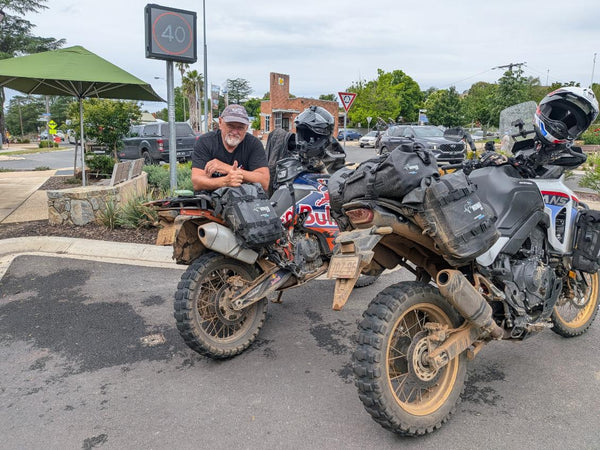
A bad luggage setup shows itself fast. Hit a few corrugations, stand up through a rocky climb, then look back. If the bags are swinging, sagging, rubbing the tyre or trying to leave the bike, you have a problem. Adventure bike luggage needs to carry your gear without changing how the bike rides.
That sounds obvious. Yet plenty of systems are designed around big capacity numbers and clean product photos, not rough tracks. They hang wide, sit high, need heavy racks, and become a liability the moment the route gets properly rough.
For real ADV riding, luggage is not just storage. It affects balance, bike control, fatigue and what happens when you drop the bike. Choose it like you would tyres or protection. It needs to suit the riding, not just the packing list.
What Adventure Bike Luggage Must Do
The job is simple: keep your kit dry, secure and accessible while staying close to the bike. The best setup does this without adding a pile of unnecessary weight or turning a midweight adventure bike into a loaded touring barge.
Weight is the first issue. Hard cases, steel racks and oversized bags can add a serious amount before you have packed water, tools or food. That weight sits high and often well behind the rear axle. On bitumen, you might barely notice. In deep sand, ruts, loose climbs and tight turns, you will.
Then there is movement. A bag that shifts from side to side is not merely annoying. It changes the bike’s feel through corners and can wear through straps, plastics and luggage panels. A stable system is mounted with tension in the right places, shaped to sit near the seat and rear of the bike, and loaded so its weight stays low.
Durability matters too, but it is more than surviving one dramatic crash. Good gear handles constant vibration, wet crossings, dust, UV, branches and the daily pull of straps being cinched down. Waterproof materials and welded construction remove weak points that stitching, liners and cheap fabric coatings can introduce.
Soft Luggage or Hard Cases?
Hard cases still have a place. If your trip is mostly sealed roads, you need lockable storage at every stop, or you carry delicate work gear, aluminium boxes can make sense. They are convenient and easy to organise.
Off-road, the trade-off gets ugly. Hard cases are heavy, wide and unforgiving in a fall. They can catch your leg, dent on impact and place more load on the racks and subframe. Add their mounting hardware and you are carrying a lot of weight before the trip even begins.
Soft luggage is usually the better call for riders spending real time off-road. It is lighter, narrower and more forgiving when the bike lands on its side. It also packs down when not full, which matters on a three-day trip where you do not need expedition-level capacity.
But not all soft luggage is equal. Cheap soft panniers often rely on loose straps, thin fabric and separate waterproof liners. They may look fine in the shed. Out on the track, they can shift, leak and slowly wear themselves apart. The goal is not simply soft bags. The goal is a system that stays put and takes abuse.
Rackless Systems Make Sense for Off-Road
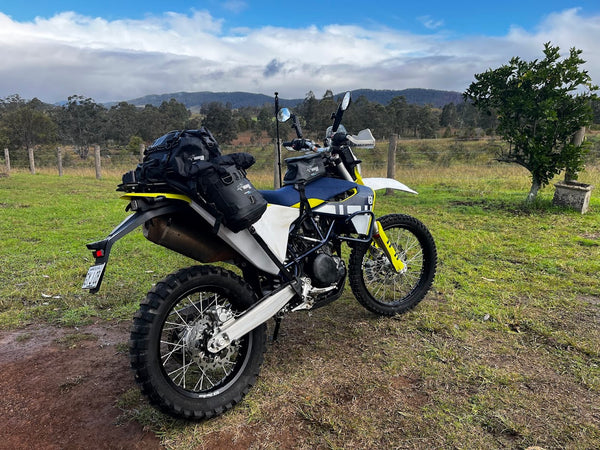
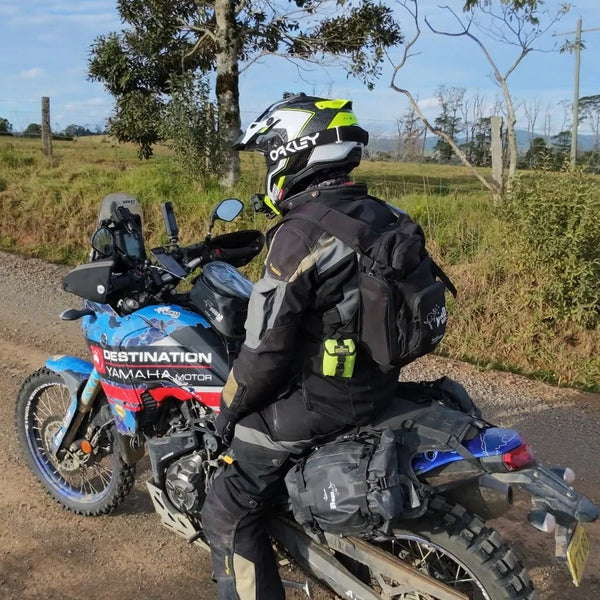
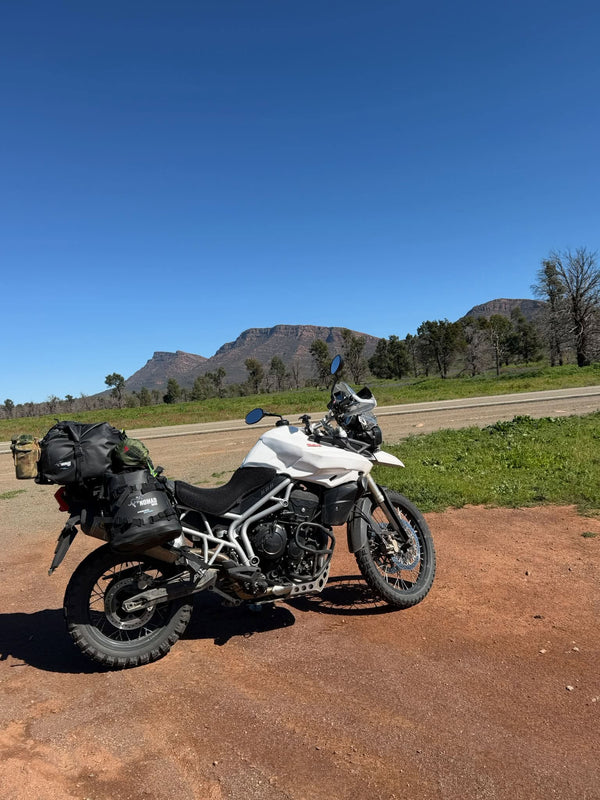
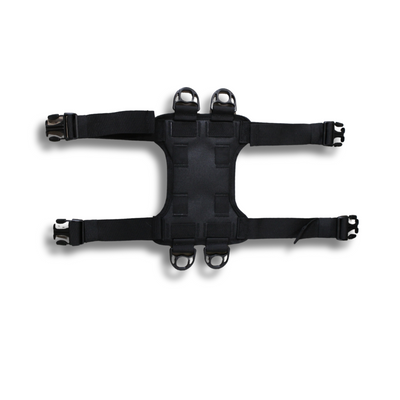
A rackless system mounts across the rear seat or luggage area and uses anchor straps to hold the load down. Done properly, it keeps the mass central and removes the need for bulky pannier racks.
That matters on bikes such as the Ténéré 700, 890 Adventure, Norden 901, KLR650 and Africa Twin. These bikes are capable off-road, but every extra kilo at the tail works against them. Remove a heavy rack setup and the bike is easier to pick up, easier to move around in sand and less likely to punish you when the route turns technical.
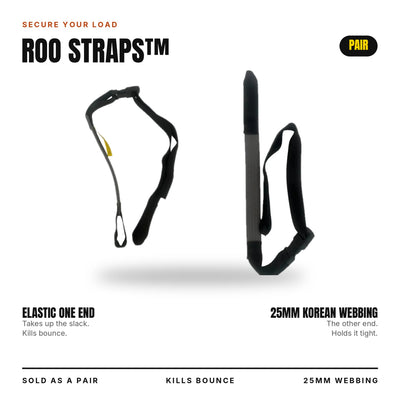
Rackless does not mean loose. A properly designed rackless system uses a secure harness, firm anchor points and compression that pulls the bags into the bike. It should not flap around behind you or creep sideways after an hour of corrugations.
Fitment still matters. Seat shape, rear plastics, exhaust position and available anchor points vary between bikes. Before choosing a system, check how it sits when loaded, not just when empty. A bag that clears the exhaust in the driveway may sag into trouble once you add tools, water and camp gear.
Choose Capacity for the Trip, Not Your Anxiety
Most riders overpack because their luggage has the space. Bigger bags invite more gear, and more gear becomes more weight. Start with the trip length, weather and how remote the route is.
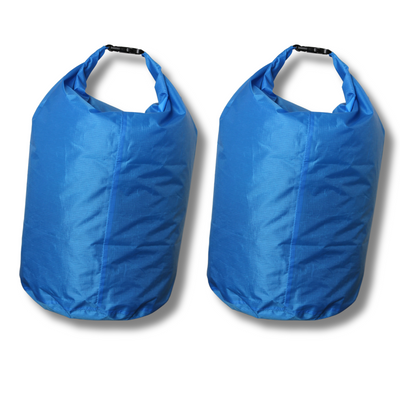
For overnight rides and light weekends, a compact rackless system plus a small tank bag is often enough. Carry tools, tubes or repair gear low in the side bags, put clothing and sleep gear in a dry bag, and keep mobile, wallet, maps and snacks up front.
For multi-day riding, a larger rackless setup gives you room for camp gear, food and layers without needing hard panniers. The key is discipline. Heavy items belong low and forward. Keep water close to the bike’s centre where possible. Avoid filling a big rear roll bag with dense gear that turns the back end into a pendulum.
Long remote trips need more capacity, but they do not need chaos. Split gear by use. Recovery and repair kit stays together. Camp kit stays dry. Wet weather layers need quick access. If you have to unpack half the bike to find a head torch, the setup is wrong.
A practical packing order
Pack the heaviest gear first and closest to the bike. Tools, spares and cooking gear work well in the lower sections of side luggage. Lighter gear such as clothes, sleeping bags and insulated layers can go higher.
Use a tank bag for the things you reach for during the day, but do not overload it. A huge tank bag can get in the way when standing, particularly on smaller bikes or technical tracks. A hydration pack is often a better place for water, first-aid basics and a few small essentials.
At the rear, use a roll bag only for light or bulky items. It is useful for extra food, a tent or a sleeping mat, but it should not be the place where every loose item ends up. Strap it down tight and check that it cannot move forward under braking or contact the wheel on full suspension compression.
Material and Construction Are Not Marketing Details
PVC is cheap and common, but it is heavy and can become stiff over time. Outer sleeves and removable liners add bulk and create more places for water and dust to get in. They also make packing slower when you are tired, wet and setting up camp in the dark.
Welded TPU is a better answer for adventure luggage. It is tough, waterproof and lighter than many traditional heavy-duty bag constructions. More importantly, it allows the bag itself to be the waterproof barrier. No separate liner. No doubled-up material. No stuffing a damp outer bag around a dry inner bag at the end of a wet day.
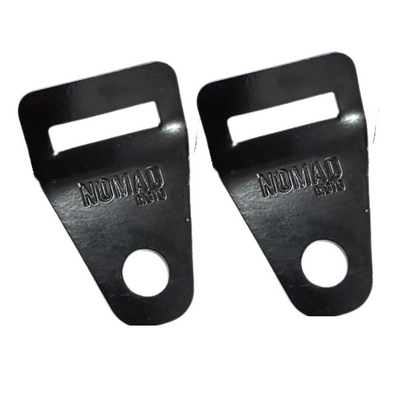
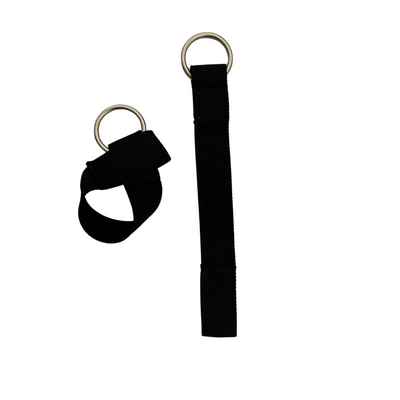
Look closely at the straps and attachment points as well. A strong bag body is useless if its straps stretch, buckles crack or anchor points tear out. Hardware should be simple enough to operate with dirty hands and gloves, while giving you enough adjustment to cinch the system tight.
Nomad Moto builds its rackless systems around that principle: welded TPU, no PVC, no bulky outer sleeves and no unnecessary rack weight. It is gear for riders who would rather spend money on fuel and tyres than decorative hardware.
Check Your Setup Before It Becomes a Problem
Do not wait until day three of a trip to find out your luggage does not fit. Load the bike as you would for a ride, then check clearance around the exhaust, wheel, indicators and side panels. Push the rear suspension down or get someone to hold the bike while you inspect full travel clearance.
Take it for a proper test ride. Not one lap around the block. Ride corrugations, stand up, brake hard and hit a few rough sections. Stop after 20 minutes and check every strap. New systems often need one adjustment before they settle into their best position.
After a crash, inspect the luggage before riding on. Look for torn straps, shifted buckles and bags pressing against hot exhaust parts. Soft luggage usually handles a drop better than hard cases, but no system is immune to poor packing or loose mounting.
The right luggage should disappear once you start riding. It stays tight, keeps your gear dry and does not force you to ride around its shortcomings. Pack less, mount it properly, and leave the bulky stuff for the riders who never get past the bitumen.
